For most of my early athletic life, I didn’t think about nutrition at all. I trained hard, competed, lifted, recovered, and stayed lean enough that food simply didn’t seem like something worth thinking about very deeply. Because my performance was solid, I assumed my nutrition was fine. I ate whatever I wanted and whenever I wanted. For a while, I got away with it.
My first real lesson in nutrition didn’t come from studying physiology, reading research papers, or understanding metabolic pathways. It came from copying someone else.
The LL Cool J Lesson: Structure Before Understanding
When I picked up LL Cool J’s Platinum Workout, I wasn’t searching for a deeper philosophy about nutrition. I was simply looking at LL. He looked strong, lean, and disciplined. That was enough evidence for me. If the plan worked for him, it was worth trying.
So I followed the meal plan exactly as written. Five days a week. No improvising. No debating macros. No analyzing principles. I didn’t think about protein synthesis, insulin response, or nutrient timing. I just followed instructions.

And it changed my life.
Not because I understood why it worked, but because I felt better. My energy stabilized. My focus sharpened. My mood leveled out. My training sessions felt more consistent. That was my first real lesson in nutrition: changing what you eat can dramatically improve your quality of life—even before you understand the principles behind it. At that stage, structure alone was enough.
April 4, 2009: The Most Important Decision
On April 4, 2009, I gave up alcohol. Of all the decisions I’ve made in my life, this was likely the most important. Not just nutritionally, but across every domain of my life.

Almost immediately, my energy improved. Sleep deepened. Recovery accelerated. My thinking became clearer. But the most important shift was psychological. I became more open to change.
Removing alcohol didn’t just improve my physiology. It expanded my willingness to experiment. It increased my tolerance for discomfort and sharpened my awareness of cause and effect. I became more curious about how what I consumed influenced how I felt and performed.
This decision created the space for the next phase of my nutrition journey to unfold.
Conviction and Experimentation
Once that door opened, I started exploring.
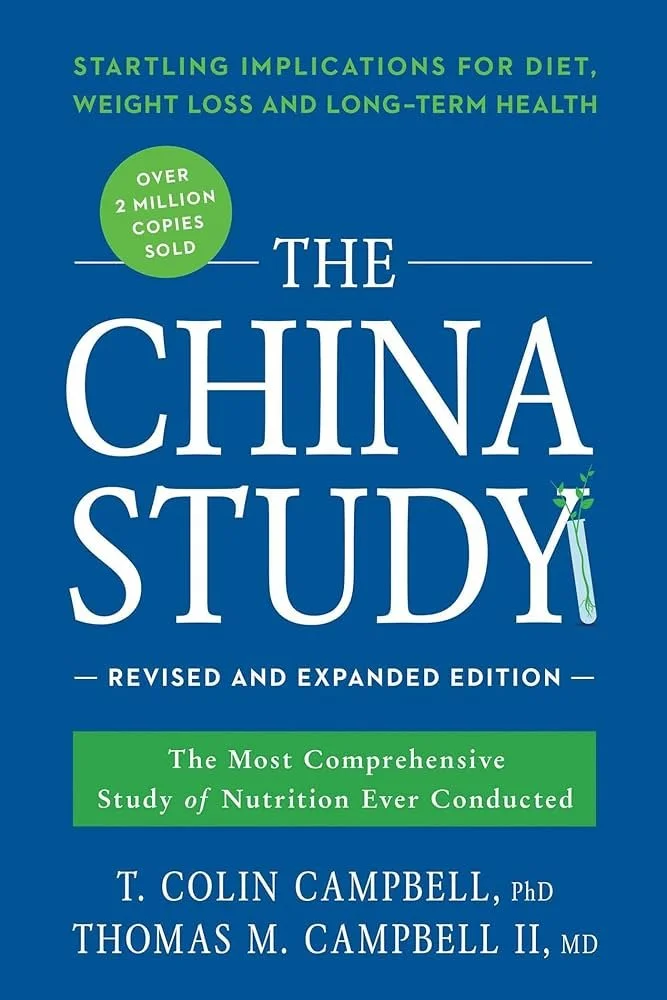
I read The China Study and became vegan for about a year and a half. It was conviction-driven. There was an ethical and philosophical component to it, but there was also the sense that I had discovered something superior. That belief made compliance easy.
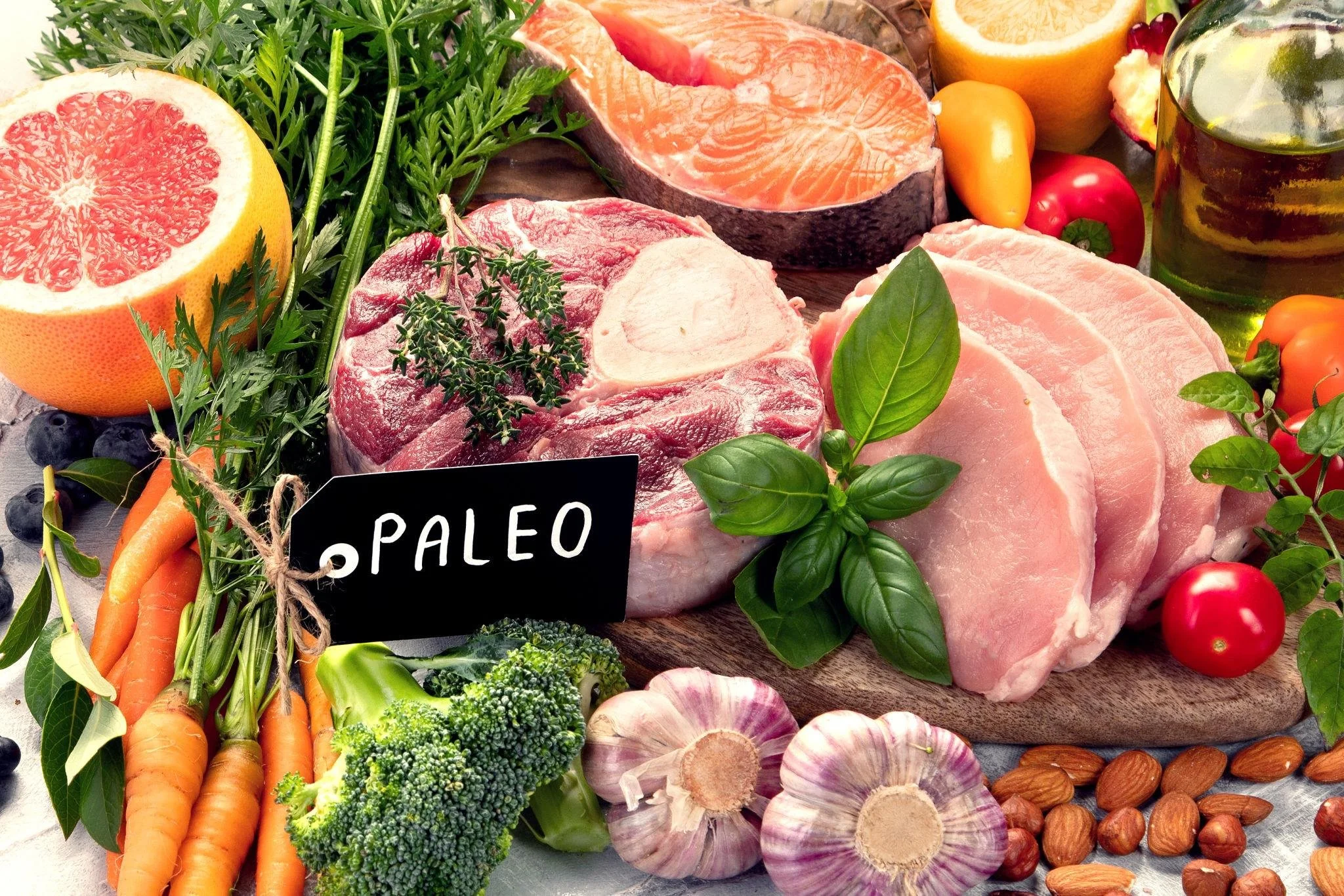
From there, I explored macrobiotics. Then, as I became more immersed in the CrossFit community, I dove into Paleo.
At first glance, moving from vegan to Paleo might seem like a dramatic swing. But in many ways, it wasn’t. Both approaches eliminated entire categories of food. Both had a higher reasoning behind them. Veganism was rooted in ethical arguments and plant-based health principles. Paleo was rooted in ancestral arguments—the idea that eating in alignment with evolutionary history would optimize health and performance, as oversimplified or even misguided as some of that reasoning may have been.
In both cases, what drew me in was structure, elimination, and clarity. The food lists changed, but the underlying psychology did not.
Closely related to Paleo came The Whole30. The two approaches were very similar. Whole30 didn’t dramatically change the food list; it refined the structure. It tightened the rules and, most importantly, introduced a defined duration—30 days.
That duration changed my mindset. Until then, nutrition felt like identity. You were vegan. You were Paleo. You were something. Whole30 introduced a different idea: you could run an experiment without committing forever. You could try something intensely for a defined period, observe the results, and then adjust. That idea stayed with me.
2017: Respecting Thermodynamics and Tracking Data
Around 2017, I had more specific aesthetic goals. Instead of choosing another nutritional philosophy, I chose data.
I started tracking calories consumed, macronutrients, daily steps, training output, and overall activity. For the first time, I wasn’t guessing anymore.
And what became undeniable was this: thermodynamics applies. If you consistently consume fewer calories than you expend, you lose weight. If you consistently consume more than you expend, you gain weight.
The principle is simple, but tracking revealed how narrow the margins really are. A couple hundred calories per day compounds quickly over weeks and months.
Tracking macronutrients (carbohydrates, fats, and protein) also revealed something important. You can hit the same calorie number with very different macro distributions and feel very different. Energy levels change. Performance changes. Hunger changes. Recovery changes.
That’s when nutrition stopped being a belief system and started becoming a process.
No Villains, Just Variables
Something that became increasingly clear is that dietary marketing loves to create heroes and villains.
In some circles, carbohydrates are treated as the enemy. In other circles, fat becomes the problem. Protein is often treated as the hero, but even that depends on the framework.
In ketogenic circles, carbohydrates are clearly villainized. To a lesser extent, protein can even be viewed cautiously, since excessive protein may interfere with maintaining ketosis. Fat, in that context, becomes the hero and the primary fuel source.

In low-fat approaches, the story flips. Fat becomes the villain while carbohydrates are elevated. In high-protein frameworks, protein becomes the central focus.
Almost every dietary philosophy elevates certain macronutrients and de-emphasizes others. Low-carb approaches elevate fat and protein. Low-fat approaches elevate carbohydrates and protein. Ketogenic approaches elevate fat, suppress carbohydrates, and moderate protein.
But they are all manipulating the same three variables: carbohydrates, fats, and proteins.
With experience, it became increasingly clear that there are no villains or heroes—only variables.
Every configuration gives something and costs something. That’s physiology.
Energy vs. Structure: How I Allocate
Tracking eventually taught me something even more nuanced about macronutrients.
Carbohydrates and fats are primarily energy substrates. They function as fuel and storage. When you manipulate them, you often feel the change quickly. Performance shifts, hunger shifts, and body weight can fluctuate.
Protein plays a different role. Protein is less about immediate energy and more about structure. It supports muscle retention and growth. It contributes to connective tissue integrity, enzymes, hormones, and immune function—the architecture of the body itself.
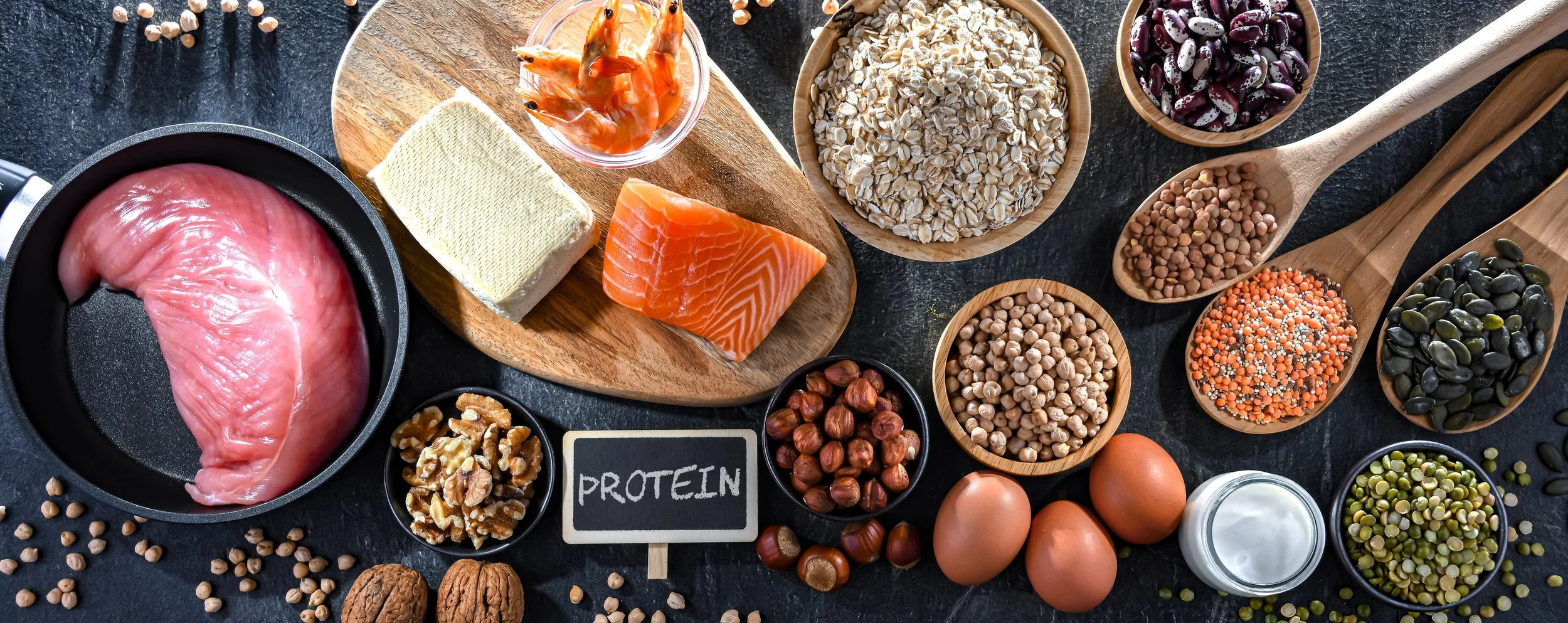
Because of that distinction, I treat them differently. My protein intake tends to stay relatively stable—roughly one gram per pound of bodyweight. It acts as an anchor.
Carbohydrates and fats move around that anchor. If performance becomes the priority, carbohydrates may increase. If appetite control becomes the challenge, fats may shift. If calories need to drop, one or both adjust.
For those interested in finance, the analogy is fairly simple. Protein is like a long-term index fund allocation. It’s the core position. You don’t constantly tinker with it. You let it compound and build structural integrity over time.
Carbohydrates and fats are more like enterprising positions. They’re adjustable. You increase exposure when performance demands it and pull back when aesthetics become the focus.
You anchor the core and adjust around it.
The Behavioral Power of Movement
Another humbling lesson emerged over time: exercise does not burn as many calories as most people think. You cannot out-train chronic overeating.
The value of movement for aesthetics is often behavioral rather than purely mathematical.
If I’m moving, I’m not snacking.
When I pair a nutritional structure with an exercise structure, I’m far less likely to sabotage the effort. The two reinforce each other. Clean eating produces more stable energy. Stable energy improves training output. Better training reinforces discipline, and that discipline carries back into nutrition.

The energy from one builds on the energy of the other. It becomes a positive feedback loop.
Nutrition and movement are not separate strategies. They are interlocking systems. When they align, progress becomes easier—not because it requires more force, but because it creates less friction.
The Results of Two Decades
I’m now forty-three.
Over the last twenty years, this approach has allowed me to maintain a body fat percentage under ten percent, at times as low as six percent, while still preserving and often building strength and performance.

But this didn’t happen in isolation.
During those same twenty years, I got married. I had two children. I started two businesses. Life became fuller and more complex. Responsibilities increased. Sleep was interrupted. Stress took on new forms.
Nutrition doesn’t exist outside those realities. It has to function within them.
That doesn’t come from finding the perfect diet. It comes from building a flexible system—one that adapts, one that respects thermodynamics, one that treats macronutrients as variables, and one that integrates nutrition with training rather than separating them.
There are seasons where getting leaner is the goal. There are seasons where building energy becomes the priority. There are seasons where optimizing strength or growth takes center stage.
The difference now is clarity.
More information creates more flexibility. More flexibility creates more choice. More choice creates more control. And control—not restriction—is what makes the process sustainable.
What 20 Years Taught Me
If I compress two decades into a few core lessons, they would look something like this:
Changing what you eat can dramatically improve quality of life.
Structure often precedes understanding.
Giving up alcohol expands the capacity to change.
Thermodynamics applies whether we like it or not.
Macronutrients are variables, not moral categories.
Protein anchors structure while carbohydrates and fats adjust energy.
Nutrition and movement reinforce each other.
Versatility beats ideology.
Sustainability comes from flexibility, not from finding the “perfect” diet.
The Journey Continues
This is what I’ve learned so far, but it’s not the final lesson.
Nutrition isn’t something you solve once. It evolves.
My body at forty-three is not the same body I had at twenty-three, and it won’t be the same body I’ll have at sixty-three. Goals will need to shift. Stress will change. Training will need to adapt. Recovery will need to evolve.
And so my nutrition must shift with it.
There are still experiments to run, adjustments to make, and blind spots to uncover. That can be viewed as frustrating, or it can be viewed as freeing.
Twenty years ago, I copied a meal plan because someone else looked good.
Today, I manage allocation with intention.
Twenty years from now, I hope I’ll have another blog post to write with new and expanded lessons.
The journey continues.
And that may be the most important lesson of all.