Why Fantasy and Mythology Matter to Me
I have always loved fantasy and mythology.
Not because they are realistic—but because they are not.
Their very distance from reality is what gives them power. They distill human conflict into archetype. They remove the noise of daily life and present exaggerated truths: strength without limits, fire without mercy, loyalty without compromise, ambition without restraint.
In doing so, they create enduring lessons that generate enduring meaning.
Fiction allows themes to transcend the ambiguity of reality. In real life, motives are mixed. Outcomes are unclear. Heroes are flawed in subtle, confusing ways. But in myth and fantasy, qualities are amplified. Endurance becomes fireproof. Strength becomes world-breaking. Corruption becomes apocalyptic.
These stories reveal what we wish we could become—and what we must avoid becoming.
The characters in this blog are not just entertainment to me. Their narratives have become symbolic anchors in my own life. The lessons embedded in their arcs—about force, tolerance, leadership, and corruption—have resonated deeply enough that I chose to have their images tattooed on my body.
That may sound extreme to some.
But that is precisely the point of myth.
When a fictional character carries enough meaning to permanently mark your skin, you know the story has transcended its medium.
Two of those characters are Daenerys Targaryen and Fenrir.
They represent two forms of power—and two warnings.
Daenerys Targaryen – The Power of Endurance

One of the most iconic scenes in modern fantasy occurs when Daenerys steps into a funeral pyre and emerges unburnt, cradling three newborn dragons. It is not a feat of brute force. It is not a display of swordsmanship or physical dominance. It is something far stranger: tolerance.
She walks into the fire.
The men around her—warriors, knights, and warlords—would have been reduced to ash. Fire is indiscriminate. It does not care about pride or muscle. But she survives not because she overpowers the flames, but because she can endure them. In that moment, her power is not outwardly explosive; it is internally regulated.
Her identity as the “Mother of Dragons” is born not from domination but from survival. She absorbs exile, abuse, humiliation, and political manipulation. She learns languages. She studies culture. She adapts. The dragons hatch not simply because she is Targaryen, but because she is willing to stand inside transformation.
Endurance precedes command.
Her early leadership is rooted in having survived something others could not. Armies follow her because she has endured fire. Her power grows from heat tolerance—emotional, psychological, and literal.
Fenrir – The Power of Force
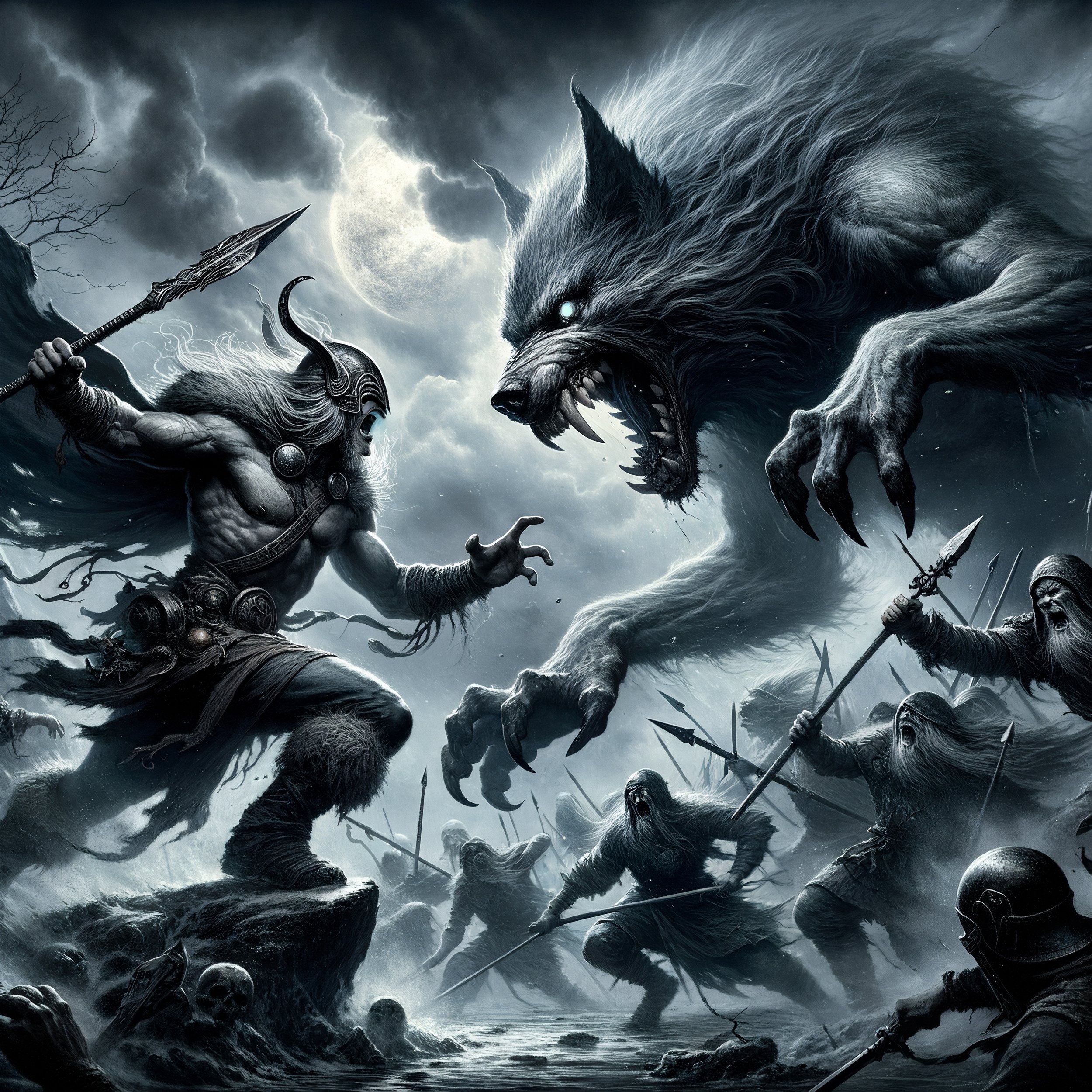
If Daenerys represents the power of enduring flame, Fenrir represents raw force.
In Norse mythology, Fenrir is a wolf of unimaginable strength. The gods fear him from the beginning. They attempt to bind him with chains of iron. He snaps them effortlessly. They forge thicker restraints. He shatters those too.
His power is visible. Measurable. Explosive.
So the gods change tactics. They commission Gleipnir—a chain that looks delicate, almost fragile—crafted from impossible ingredients: the sound of a cat’s footstep, the beard of a woman, the roots of a mountain, the sinews of a bear, the breath of a fish, the spittle of a bird.
Fenrir laughs at it.
But when he pulls, it does not break.
The thick chains failed. The thin ribbon holds.
Fenrir’s limitation is not lack of strength. It is lack of adaptability. His strategy is singular: pull harder. Bite deeper. Resist more aggressively. When confronted with something that does not respond to brute force, he has no alternative pattern.
Force without versatility becomes predictable.
And predictable strength can be bound.
Two Archetypes: Breaking vs. Becoming
At first glance, these two figures represent opposing archetypes.
Fenrir is maximal contraction. He is raw output. He is overwhelming force production.
Daenerys is regulation. She is tolerance. She is the capacity to remain inside discomfort long enough for transformation to occur.
Both are powerful.
But they generate power differently.
Force confronts.
Tolerance absorbs.
Force attempts to dominate the environment.
Tolerance survives it long enough to reshape it.
Fenrir tries to break chains.
Daenerys becomes something new inside the fire.
The Necessary Acknowledgement: The Turn in Daenerys’ Story
Any honest comparison must acknowledge that Daenerys’ arc does not remain redemptive.
Her story turns.
What begins as liberation eventually morphs into conquest at any cost. The same dragons born from endurance become instruments of indiscriminate destruction. The tolerance that once allowed her to withstand fire gradually gives way to certainty—an unshakable belief that her vision justifies any action.
This is where her narrative shifts from resilience to corruption.
It becomes less about endurance and more about control.
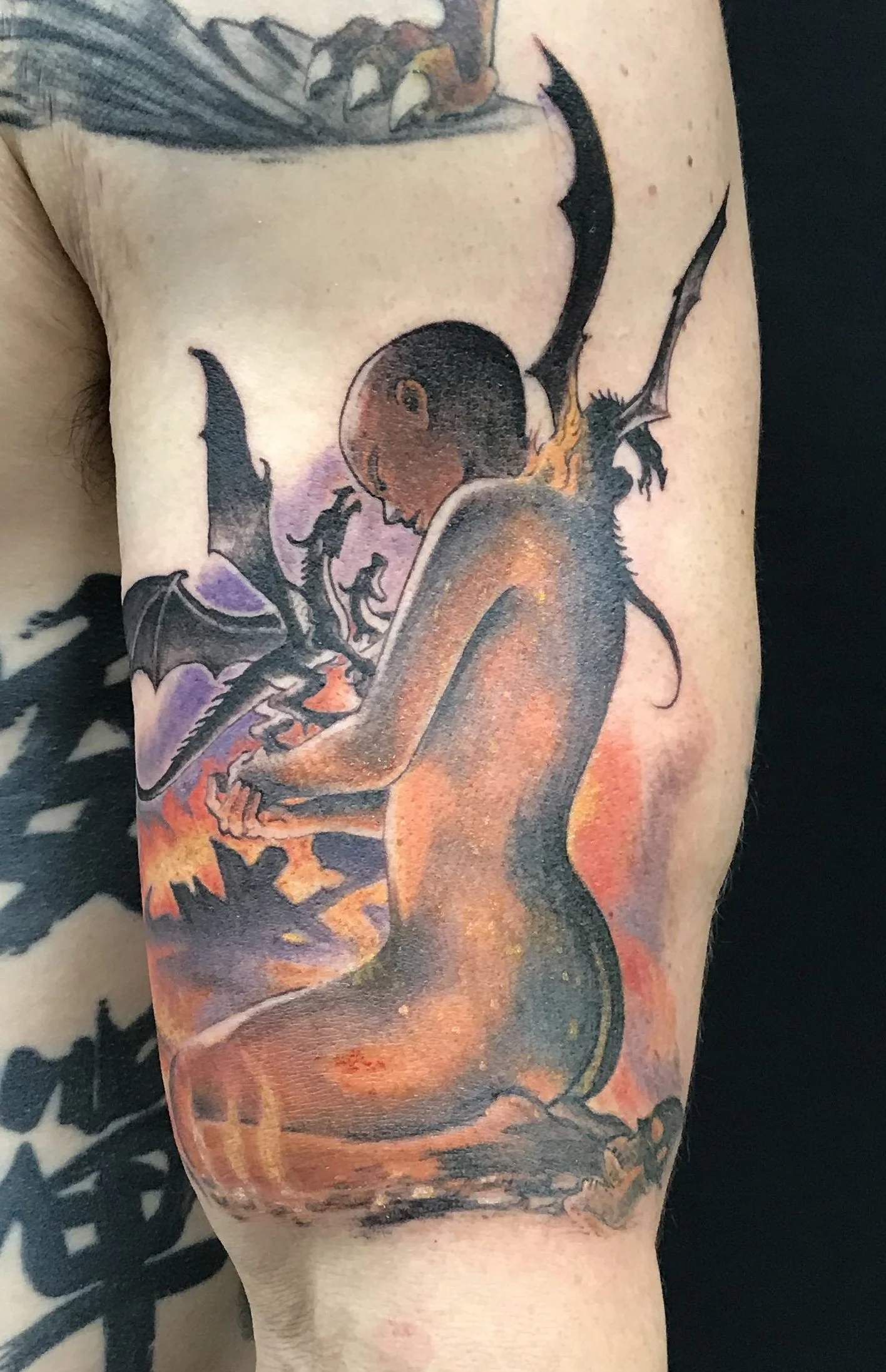
Less about survival and more about dominance.
Her later arc is no longer simply the story of someone who endured hardship and rose to power. It becomes a cautionary tale: power gained through resilience does not immunize someone against the corrupting influence of unchecked authority.
In many ways, it embodies the timeless warning that power corrupts.
Endurance gave her dragons.
But dragons magnified her decisions.
And when grief, isolation, entitlement, and certainty converged, the same strength that built her empire accelerated her collapse.
Her tolerance created capacity.
But capacity without humility becomes dangerous.
Strength, Corruption, and Blind Spots
Fenrir and Daenerys both illustrate different blind spots of power.
Fenrir’s blind spot is over-reliance on force. He believes that if he pulls hard enough, nothing can restrain him. He fails to account for the unseen.
He understands iron. He understands weight. He understands tension that pushes back in obvious ways. But he cannot perceive power that does not announce itself. When confronted with something that does not look threatening—something that does not clang or strain—he underestimates it.
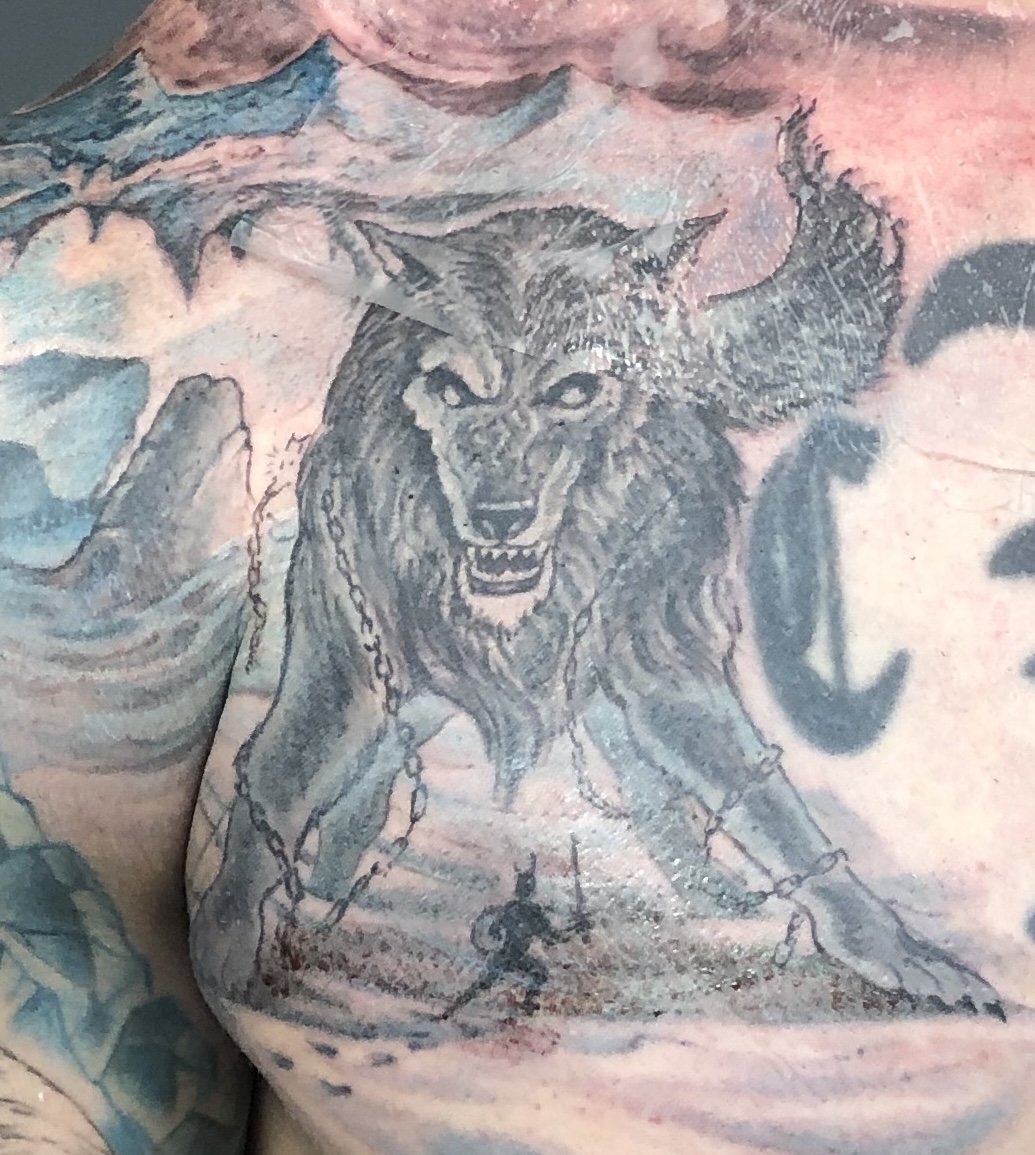
Daenerys’ later blind spot is moral certainty amplified by power. She believes that if her cause is righteous enough, destruction is justified.
Fenrir is trapped by rigidity.
Daenerys is undone by absolutism.
Both demonstrate that power—whether physical or political—must be paired with adaptability and self-awareness.
Force alone is insufficient.
Endurance alone is insufficient.
Even resilience can morph into tyranny when it loses reflection.
Fire, Chains, and Us
These myths endure because they reflect us.
We all face iron chains—clear obstacles that respond to effort. Sometimes we break them with force.
We also face silk chains—subtle constraints of belief, fear, identity, and ego. Pulling harder often tightens them.
Endurance helps us survive transformation.
Strength helps us impose change.
But when either becomes absolute—when force is the only strategy, or when conviction overrides reflection—we drift toward our own version of catastrophe.
Fenrir reminds us to respect the limits of brute strength.
Daenerys reminds us that resilience can elevate—and corrupt.
Between fire and chains lies the full spectrum of power.
And perhaps that is why their images are etched into my skin—because they remind me daily of what I aspire to become, and what I must work deliberately to avoid.
Double-click to edit...