A Discussion About Running
Cleaning Up Your Scapula
Working Out On Your Commute
Cleaning Up the Low Back and Pelvis
Neural Flossing for the Strength and Conditioning Professional
Check out this blog posted on BretContreras.com
http://bretcontreras.com/neural-flossing-for-the-strength-and-conditioning-professional/#comments
Body Mechanics for New Parents
Deconstructing the Sun Salutation
Deconstructing the Pull-Up
Maximizing Time Under Tension
Deconstructing the Overhead Press
Intermittent Compression for Swelling
A Discussion About Plantar Fasciitis
Movement of the Week: Quadruped Alternating UE/LE
Linking Movement Variability and Movement Optimization
There has been plenty of research over the past several years examining the concept of movement variability(1,2,3) in regards to healthy human movement. At the same time, an abundance of research has also been undertaken looking into the optimal(4,5,6) movement patterns that are necessary for safe movement practices.
To clarify let’s put some general definitions around these two concepts:
Movement variability can be described as differences in observed motions when performed in the same situation(2), or (and I like this one adapted from Webster’s(7)) “the power possessed by living organisms, both animal and vegetable, of adapting their physical movements to modifications or changes in their environment”.
Movement optimization can be defined as the best practice of performing specific human motions in regards to physical health and longevity. At first glance these two concepts seem contradictory to each other, but I don’t quite see it that way. As I see it, these two concepts need to be linked in order for us to get the most out of our movement practices.
I would like to set forth some general guidelines in order to better understand how these two important perspectives can be utilized in conjunction with one another to allow for healthy movement.
1) Understand which positions/movements have been shown to lead to injury in scientific literature (8-12):
These positions include but are not limited too: pes planus (flat feet), genu valgum (knock knees), anterior pelvic tilt (overextended lower back), kyphosis of the thoracic spine (humpback), anterior translation of he humerus on the glenoid fossa (forward shoulders), and protrusion of the cervical spine (forward head position). Research has shown these positions to be associated with higher risks for overuse injuries to the spine, shoulders, knees and feet.

Excessive forward head and shoulder position, along with an excessive anterior pelvic tilt have been associated with increased risk for spine and shoulder pain
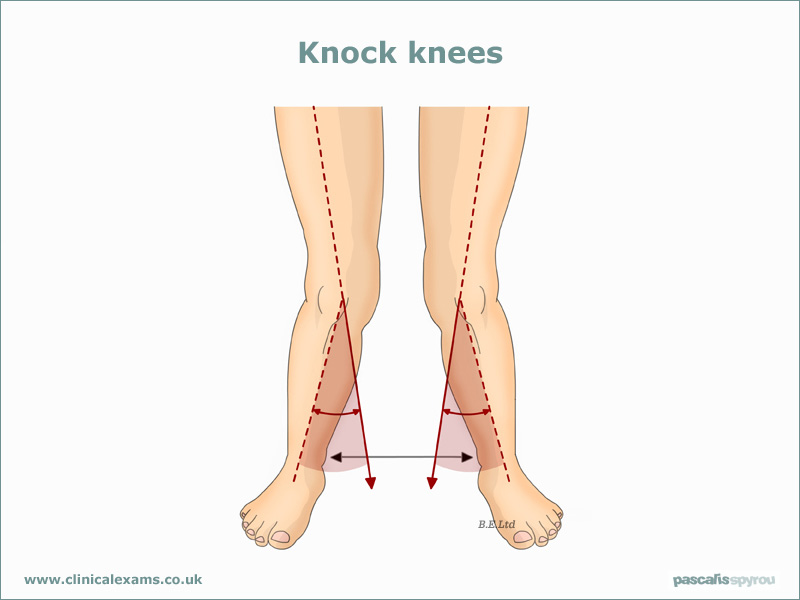
Genu valgum (knock knees) and pes planus (flat feet) are associated with increased risks for lower extremity overuse injuries
2) Understand that the above positions/movement patterns are often caused by lack of movement variability:
This is to say that these positions/movement patterns are not inherently “bad or evil”, it is just that they are frequently positions one takes due to movement invariability. For example, forward head and shoulder posture, along with thoracic kyphosis are often the result of sitting for extended periods of time. Moreover, sitting for extended periods also tends to shorten the hip musculature multi-directionally leading to anterior pelvic tilt, genu valgum (hip internal rotation/adduction motion), and pes planus (secondary to genu valgum). Standing for long durations is no better, as it tends to lead to anterior rotation of the pelvis and lumbar hyperextension. Moreover, standing and walking with overly supportive shoes casts the foot in the same position all day, which often leads to pes planus. Often this invariability of movement starts at a very young age (i.e. as soon as children are put in supportive shoes and chairs). Therefore, chronic non-movement can be seen as one of the root causes of poor positioning/movement.

Slumped chair sitting often leads to tight hip flexors which leads to an anterior rotation of the pelvis when standing. Moreover, this position promotes forward head and shoulder posture as well as a kyphotic (rounded) upper back.

Sneakers with excessive support can often lead to pes planus by limiting foot/ankle mobility as well as creating disuse atrophy (weakness) in the muscles that support the medial arch of the foot. Treatment for this is often to add more support to the arch further perpetuating a vicious cycle of tight, weak and uncoordinated feet and ankles.
3) Understand which situations are most appropriate for specific optimal movement patterns, and in which situations more movement variability is warranted:
This speaks to the importance of understanding which movement patterns and positions are most stable for the physiological structure of the human body. The above mentioned postures that are found to lead to injury, are all unstable/unbalanced positions. That is to say that they put less resilient structures (joints, cartilage, ligaments) on more stress than the more resilient and adaptive musculature. With this understanding, it is important to note that certain movement situations do not necessarily call for the most stable position of the musculature. In fact, often energy conservation is a more effective strategy with activities of daily living.

With low load tasks, energy conservation, even in the absence of ideal positioning, may be the best strategy for decreasing physical stress to the body.
This means that doing what feels easiest may actually decrease stress to physical structures, as opposed to taking the effort find a “perfect position”. The key is to identify and differentiate situations where optimal stability is more warranted, versus when energy conservation is the better strategy. Obviously, lifting heavy stuff should fall into the “better be stable” category. This category includes weight training, but also includes challenging body weight movements, moving furniture/luggage and movements that are done at high volumes.
Examples of situations where optimal positioning can be temporarily abandoned are when cautiously exploring full ranges of motion at various joints during movement practices such as yoga, martial arts, gymnastics, and dance, or during transitions such as getting up off the floor or rolling in bed/on the ground.

Back bending is an example of an imbalanced position that can be cautiously explored by certain populations in order to improve spinal mobility necessary for higher level activities. Due to the excessive shortening of the back of the body and subsequent lengthening of the front of the body, it is very difficult to find muscular stability in this position and will be more likely to cause injury if performed at high volumes.

A child sitting in a squat with a slight knock kneed and flat footed position is a common example of conserving energy by resting on the joints and ligaments. This strategy gets riskier with age as these structures get less resilient.
References:
1.Harbourne, R., & Stergiou, N. (2009). Movement Variability and the Use of Nonlinear Tools: Principles to Guide Physical Therapist Practice. Physical Therapy, 89(3), 267-282.
2.http://users.speakeasy.net/~wrayre/pubs/VariabilityinHumanBehaviorModelingWrayLairdBRIMS2003.pdf
3.Stergiou, N., Harbourne, R., & Cavanaugh, J. (2006). Optimal movement variability: A new theoretical perspective for neurologic physical therapy. J Neurol Phys Ther., 30(3), 120-129.
4.Glazier, P., & Davids, K. (2009). Constraints on the Complete Optimization of Human Motion. Sports Medicine, 39(1), 15-28.
5.Kaphle, M., & Eriksson, A. (2008). Optimality in forward dynamics simulations. Journal of Biomechanics, 41(6), 1213-1221.
6.http://www.functionalmovement.com/articles/research/2011-03-07researchstatementandreview (literature review on the FMS: screen for looking at more optimal movement patterns)
7.http://www.webster-dictionary.net/definition/variability
8.Kaufman, K., Brodine, S., Shaffer, R., Cullison, T., & Johnson, C. (1999). The Effect of Foot Structure and Range of Motion on Musculoskeletal Overuse Injuries. Am J Sports Med, 27(5), 585-593.
9.Cowan, D., Jones, B., Frykman, P., Polly, D., Harman, E., Rosenstein, R., & Rosenstein, M. (n.d.). Lower limb morphology and risk of overuse injury among male infantry trainees. Medicine & Science in Sports & Exercise, 945-952.
10.Krivickas, L. (n.d.). Anatomical Factors Associated with Overuse Sports Injuries. Sports Medicine, 132-146.
11.Griegel-Morris, P., Larson, K., Oatis, C., & Mueller-Klaus, K. (1992). Incidence of Common Postural Abnormalities in the Cervical, Shoulder, and Thoracic Regions and Their Association with Pain in Two Age Groups of Healthy Subjects. Physical Therapy, 72(6), 425-431.
12.Christie, H., Kumar, S., & Warren, S. (n.d.). Postural aberrations in low back pain. Archives of Physical Medicine and Rehabilitation, 218-224.
Movement of the Week: Kettlebell Farmer Carries
Low Positions
What I Learned from Diana Fu
This Saturday, I had the pleasure of listening to Crossfit rockstar, Diana Fu, teach the principles of olympic weightlifting. If you are not familiar with Diana check out her website and blog at fubarbell.com.

Before attending the workshop I thought I had a decent understanding of the positions and transitions necessary for performing an efficient barbell snatch and clean and jerk. However, as I would discover in the seven hours spent in Diana’s presence, I still had a lot to learn.
Below are three vital concepts I learned from this olympic lifting goddess:
1) Don't forget your anterior chain
Performing movements to strengthen the posterior chain (back of the body) has become all the rage in the strength and conditioning world, and for good reason. In our culture, we are often in positions (sitting, leaning forward) that shorten the front of our bodies; therefore, logically it makes sense to try to strengthen the opposite muscles. Moreover, many of the exercises performed to accomplish this, such as, deadlifts and kettlebell swings promote functional strength and explosiveness. As a physical therapist, I have found these kind of exercises to be therapeutic for treatment of low back, hip and knee pain.

Strengthening the posterior chain can be very valuable, but when when performing vertical movements the anterior chain cannot be neglected.
Understanding the many reasons that posterior chain strengthening can be beneficial, it -- like most things -- can be overemphasized at the expense of functional efficiency.
In regards to this workshop, many participants (myself being one of the biggest offenders) were attempting to take the action of the anterior chain (mainly the quadriceps) out of the equation by setting up their cleans and snatches with weight shifted back through the heels. The "through the heels" cue can be very beneficial for decreasing stress to the anterior structures of the body in the presence of pain during exercises like squats and deadlifts, but in the case of olympic lifting, this can be counterproductive to the vertical path the bar must take. Diana reminded us that vertical jumping, in which the body is moving in a similar direction, must involve strong engagement of the anterior chain if any proficiency in performance is expected.

Setting up for a vertical jump will tend to load the middle to front of the foot, activating the anterior core, anterior thigh, and posterior lower leg muscles necessary to perform vertical motion.
2) Stack your combined center of mass
Further exemplifying the erroneous nature of the excessive posteriorly directed setup, was the concept of stacking the body’s combined center of mass over the bar. This was described with elegant simplicity as setting up with the navel over the bar and the shoulders over the navel. This setup cue again brought many participants more forward on the feet than we were accustomed. Despite the initial awkwardness, it was quite evident -- at least to me -- that the balance achieved while receiving the bar in either the power or squat position was much greater. Moreover, the amount of effort to create power and speed under the bar was substantially decreased, making the full movement much more efficient. Diana explained to the participants that once a proper setup is attained, all one needs to do is “stand up”. Initially I was skeptical that she may be over simplifying things due to her vast amount of experience, but I came to understand exactly what she meant by the end of the seminar.

A traditional deadlift setup where the bar is substantially out in front of the navel

Diana herself, setting up for a snatch with her navel stacked over the bar and her shoulders over the navel
3) Stability has an inverse relationship to speed
This concept made so much sense once it was said, but can so easily be underestimated in training movement. Often coaches are so focused on creating tension in the body through strength and stability training that it can be forgotten that in movements requiring speed and power, our athletes need to learn the skill of relinquishing and regaining tension depending on the component of the movement.
In my personal experience with olympic lifting, I often prepared to clean and snatch by creating near maximal tension on the bar and throughout my body. Upon heeding Diana’s cues to relax my starting tension, I found that the bar moved with much less effort. Moreover, I felt improved range of motion in my shoulders during both the pulling and receiving of the bar.
See the video below for my cleans and snatches pre- and post- Diana’s teachings. Can you tell the difference? I could certainly feel it.
Many other tidbits of information were shared by this olympic lifting icon, but those were the three that will stick with me the most and have forever changed the way I look at these movements.
Thank you, Diana!
The Muscle Isolation Fallacy
**Initially posted at www.strengthcoach.com Reposted with permission from Mike Boyle
A mindset has emerged over the years where specific muscles are viewed as the culprits for all physical deconditioning or dysfunction.
Want a six-pack? Work those abs.
Having difficulty walking? You must need gluteus medius strengthening.
Back pain? Activate those glutes.
Shoulder pain? Must be a weak rotator cuff.
I could go on and on, but I think you get the point. When it comes to movement impairments, it’s commonplace nowadays to point to a specific muscle as either the scapegoat or the savior. This isn’t to say that the muscles identified aren’t involved in the mechanism of injury or aesthetic discontent. What it is saying is that the entire extent of the problem often doesn’t lie just within those muscles.
Nothing Works in Isolation
We talk a lot about muscles, as they’re the tissues of the body over which we have voluntary control when training. However, it’s important to recognize that humans are a “system of systems,” and nothing – and I mean nothing – works in isolation.
For instance, our nervous, circulatory, lymphatic, endocrine, and immune systems are all affected by how we move – not by arbitrary quantitative assessment of specific muscle capacity.

Thus, when it comes to physical performance, our muscular system is just one of many systems working in synchrony. With all this being said, one can see how oversimplifying specific musculature as the sole problem can be shortsighted and ineffective. In fact, it can even be downright harmful at times.
We live in a culture in which most of us sit all day, every day. Then in the gym, instead of exploring the natural extent of our movement capabilities, we isolate muscles,which only further feeds this negative culture.
You see, muscle training is more of a movement prescription than a movement education. Oftentimes, the exercises that are prescribed to isolate certain “muscle problems” actually lead to further imbalances that originated from our chronic static positioning.
Take, for example, any machine that promotes isolated muscle strengthening in a seated position. When we’re doing a seated leg extension, we are indeed strengthening the quadriceps. But we must ask ourselves the following questions:
Do our quads really need training in the seated position? Do we ever really use these muscles in this way? If we sit all day, why would we want to sit when we’re exercising?
Doesn’t seem too logical to me.

Clearly, machine training rarely promotes muscular use in a functional context. Instead, it merely amplifies the muscle imbalances caused by chronic sitting.
Another common example is training crunches excessively to try to “work your abs.” This movement promotes a high volume of trunk flexion – the very position we find ourselves slumped over into while in front of the computer or leaning over a counter. Again, not too smart.

Training the abs via crunches can actually increase muscle imbalances caused by long durations of sitting and standing in trunk flexion. The upshot? Increased risk of injury and decreased ability to generate force during functional and athletic movements.
In response, you might say, “Okay, so we just need to work our lats, back extensors, and rhomboids to counterbalance all that forward motion.”
The trouble with this line of thinking is that the concept of balance goes far beyond muscles. No real world movement calls for isolated muscular effort. When we train specific muscles in a controlled gym environment, we’re making an assumption that these muscles will then activate when we go to perform athletic activities or activities of daily living.
What this method grossly underestimates is that human movement is a learning process, not a strengthening process. Therefore, strengthening muscles in isolation does nothing to improve our ability to move better – and can ultimately make the process more difficult.
The Art and Science of Movement Training
On the other end of the spectrum is movement training, which utilizes a deconstruction of functional or athletic movement as a guide for assessment and programming. Here, the movement professional helps the client develop strategies to move as efficiently as possible by developing task-specific qualities like mobility, stability, strength, power, and endurance.
This educational process is a combination of both art and science and incorporates all body systems together. Better movement can’t simply be prescribed; instead, it is an ongoing path that we all must travel.


Working a static hollow body position while lying on your back can be progressed to static hollow body vertical hanging, which can then be utilized to perform a variety of dynamic movements that incorporate hanging from the bar while maintaining midline stabilization.
On this path, the movement professional is responsible for teaching, coaching, motivating, and supporting the client. This process must be highly specific based on each individual client’s movement needs – not their muscle deficiencies.
Progressions and regressions are chosen in order to put the client in a better position to control and kinesthetically understand the optimal movement technique. Training movements are selected based on their transfer to each client’s unique movement goals. Likewise, exercise volume and load are added to well-controlled and well-comprehended movement patterns, not to specific muscles.
The entire approach will, of course, be guided by an understanding of the underlying science of movement. Having a firm grasp on the anatomy, physiology, geometry, physics, and even the biochemistry of movement allows for the creation of highly individualized programming.

The Turkish Get-Up is perhaps the best example of true movement training. At its core, the get-up is simply training the common human skill of getting up and down from the ground efficiently. Yet it’s also a highly complex movement that must be progressed slowly and methodically for true mastery. Clearly, the get-up is not is an attempt to isolate specific muscles, but rather an effort to integrate the entire body to work as one functional unit.
On the Path to Better Movement
With the transition from muscle training to movement training, the biggest difference I’ve noticed in my clients has not been their strength, power, endurance, mobility, and stability – all of which have improved dramatically. Rather, the biggest difference has been their ability to carry over the knowledge they’ve gained in our supervised training sessions to their independent sessions and, ultimately, their daily lives.
Human movement is a significant factor in how we interact with the world and should be treated as an inherent part of being alive. When we train in isolation, we’re treating ourselves more as science experiments (think a hamster on a wheel) than full-functioning human beings.
Are you a hamster or a human? I, for one, choose to embrace my humanity.
Special thanks to Travis Pollen (www.fitnesspollenator.com) for editing my incoherent gibberish into something readable and hopefully valuable.